
In this article from aonetport, we’ll explore the dos and don’ts of maritime trade. Stay with us as we share reliable and comprehensive information on the topic.
فهرست (Table of Contents)
Why Is Maritime Trade Important
Maritime trade is one of the oldest yet most essential methods of exporting goods on an international scale. Today, over 80% of global trade is carried out via sea routes, highlighting the crucial role of maritime transport in maintaining global supply chains. Countries with access to the sea enjoy unique opportunities for importing and exporting a wide range of goods, including raw materials, energy, machinery, and food products.
One of the main advantages of maritime trade is its high cargo capacity at a relatively low cost compared to other methods like air transport. This cost-efficiency has made sea freight a preferred and reliable option for many traders and manufacturers around the world.
In addition, maritime trade contributes to port development, job creation, and the expansion of international relations, all of which are key factors in economic growth. Despite all its advantages, maritime trade also comes with challenges and risks. Understanding the “dos and don’ts” can play a vital role in the success of businesses operating in this field.
Essential Dos of Maritime Trade
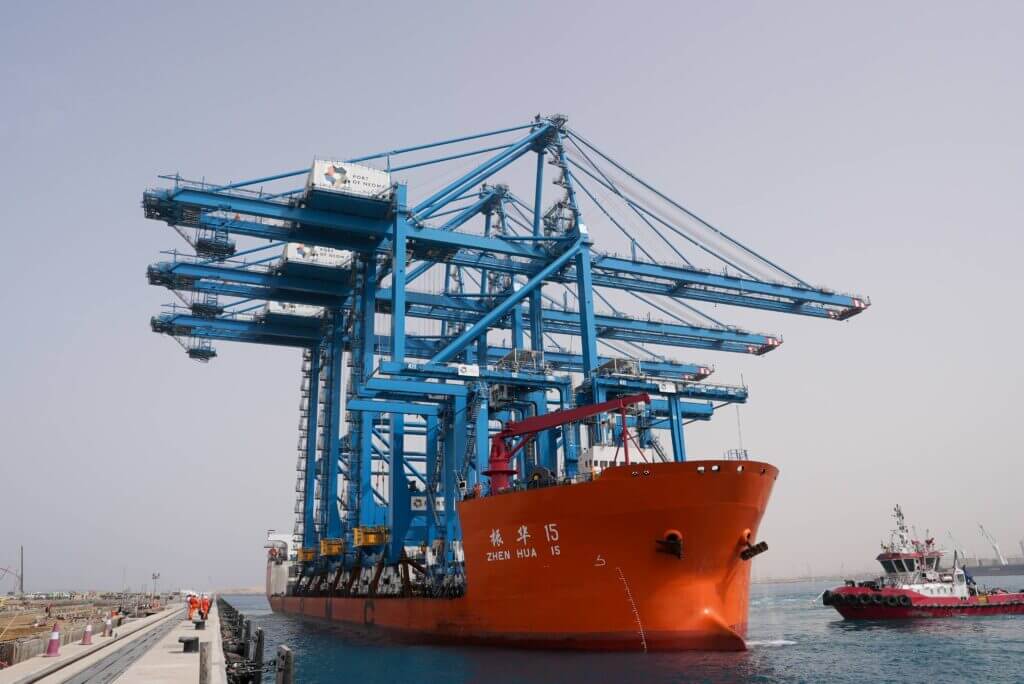
While maritime trade is cost-effective and far-reaching, failing to follow certain essential principles can lead to serious risks and unexpected costs. In this section, we’ll cover the key practices that every trader or professional involved in sea-based import and export should follow:
1. Choosing Optimal Shipping Routes
One of the first critical decisions in maritime trade is selecting the right route for transporting goods. Each route should be evaluated based on:
- Transit time
- Maritime security
- Port congestion
- Shipping costs and tariffs
For example, routes that pass through the Suez Canal are often faster but more expensive. In contrast, some paths through the Indian Ocean can pose higher risks due to piracy. Consulting experienced freight forwarding companies at this stage is extremely important and can prevent costly mistakes.
2. Understanding International Maritime Regulations
Familiarity with international maritime transport laws is essential to avoid violations, fines, and delays. Some key regulations include:
- Incoterms Rules: These define who is responsible for shipping costs, risks, and obligations—the buyer or the seller (e.g., FOB, CIF, EXW, etc.).
- IMO Conventions: Regulations by the International Maritime Organization, such as SOLAS (Safety of Life at Sea) for ship safety and MARPOL to prevent marine pollution.
- Customs Regulations in Each Country: Every destination may have unique standards for packaging, declarations, or required permits, and being unaware of them can disrupt the entire shipment.
3. Using Valid Marine Cargo Insurance
No maritime trade is complete without proper insurance coverage. Marine cargo insurance plays a vital role in minimizing financial risk. The most common types of insurance include:
- All Risk Insurance: Offers the broadest coverage.
- With Average Insurance: Covers only major damages or losses.
- Carrier’s Liability Insurance: Specifically designed for shipping companies to cover their liability.
Always work with reputable insurance providers and read the policy terms carefully. Certain exceptions—such as “acts of nature” or “war”—may not be covered, so understanding the fine print is crucial.
4. Partnering with Reliable and Experienced Shipping Companies
Choosing the wrong freight forwarder or port agent can lead to delays, penalties, or even loss of goods. To avoid such risks:
- Check the company’s track record and reviews.
- Ensure they hold international certifications such as FIATA, IATA, or are members of a Chamber of Commerce.
- Look for services like real-time cargo tracking, responsive support, and transparent pricing.
- Having a reliable partner both at the origin and destination can give you peace of mind and smooth out many logistical challenges.
5. Proper and Standardized Packaging
The marine environment can be humid, rough, and risky. Appropriate packaging is essential to:
- Protect goods from moisture and physical impact.
- Minimize the chance of damage during transport.
- Facilitate efficient loading and unloading.
- Prevent customs or quarantine rejections.
Each type of cargo—whether food products, industrial parts, or hazardous materials—requires specific packaging standards that must be strictly followed.
6. Accurate Preparation of Trade Documents
In maritime trade, documents can be even more important than the cargo itself! A mistake in documentation can result in delays, fines, or even the seizure of goods. Some of the essential documents include:
- Bill of Lading
- Commercial Invoice
- Packing List
- Certificate of Origin
- Export or Import Permits
It’s highly recommended to always have both digital and physical copies of these documents, and to carefully review them before sending.
7. Precise Time and Logistics Planning
Maritime transport is generally slower than air freight, making careful scheduling crucial. You should plan for:
- Loading time at the port of origin
- Transit duration
- Unloading schedule at the destination
- Customs clearance process
Always build in a time buffer to accommodate unexpected delays. Proper planning helps prevent disruptions and ensures smooth delivery throughout the supply chain.
Donts of Maritime Trade
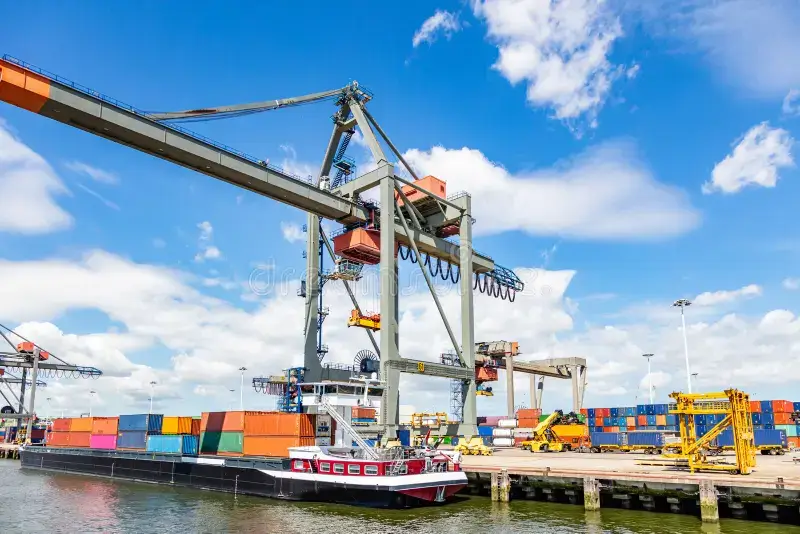
Like any form of business, maritime trade can lead to significant financial or even legal losses if handled without care and awareness. In this section, we’ll highlight the most common and critical mistakes that should be avoided:
1. Overlooking Proper and Complete Documentation
One of the most common and costly mistakes in maritime trade is neglecting the accuracy and completeness of shipping documents. Key documents such as:
- Bill of Lading
- Commercial Invoice
- Packing List
- Certificate of Origin
- Insurance Documents
- Import/Export Licenses
all carry legal weight in international shipping. Any discrepancies between these documents and the actual cargo (such as incorrect weight, product type, or origin country) can lead to the cargo being seized, fined, or even returned. This is particularly common in countries with strict customs regulations.
Pro Tip: Always use a document checklist and have all paperwork reviewed by a specialist or an experienced freight forwarder before shipment.
2. Ignoring Hidden Costs and Currency Fluctuations
Many new traders focus solely on the base freight rate and underestimate additional expenses. However, extra costs such as:
- Demurrage (fees for delays in loading/unloading)
- Port Charges
- Customs Storage Fees
- Clearance Fees and Taxes
- Broker/Intermediary Commissions
- And most importantly: Currency exchange fluctuations
can significantly increase the total cost of shipping. Even a small currency swing can turn a profitable deal into a loss—especially if no formal currency agreement was made in advance.
Pro Tip: Use foreign currency accounts and risk-hedging tools like forward contracts or exchange rate insurance to protect your margins.
3. Shipping Prohibited Goods or Items Without Legal Permits
Certain goods are subject to export/import restrictions for various reasons—such as health, safety, political, or technical concerns. Ignoring these restrictions can lead to:
- Seizure of goods at customs or port
- Heavy fines
- Complete loss of the shipment
- And in some cases, legal prosecution
Some countries even require special health permits or certificates for importing basic items like food products.
Pro Tip: Before shipping any goods, always check the destination country’s customs regulations, or consult with international trade advisors.
4. Poor Delivery Time Management
Unlike air freight, delays are common in maritime shipping. Factors such as:
- Bad weather conditions
- Port congestion
- Strikes or political unrest
- Issues with documentation or payment
can all cause significant delays. If the delivery time is crucial for the buyer (e.g. for manufacturing schedules or seasonal sales), these delays can result in canceled contracts or lost market opportunities.
Pro Tip: Always include Force Majeure clauses and clear delivery timelines in your sales contracts, and build in extra time in your shipping schedule to allow for unexpected setbacks.
5. Vague Responsibility in Contracts
One of the most critical and frequent mistakes in international trade is the lack of clarity around duties and responsibilities. If a contract doesn’t clearly define who is responsible for:
- Shipping
- Insurance
- Customs clearance
- Cost payments
- Final delivery
then disagreements—and legal disputes—are almost inevitable when issues arise. This is especially true for CIF or FOB contracts, where responsibility boundaries must be explicitly stated.
Pro Tip: Always use the latest Incoterms and clearly outline in the contract who is responsible for what at each stage of the trade process.
6. Failing to Track and Monitor Shipments During Transit
Some traders assume that once the cargo is loaded, their job is done. However, several issues can occur during transit:
- The vessel may change its route
- The cargo might be mistakenly delivered to a different port
- Problems may arise during unloading at the destination port
Lack of tracking means being unaware of the shipment’s status—leading to delays, confusion, or even financial losses.
Pro Tip: Always ask your shipping company to provide a tracking system. Stay in regular contact with the consignee at the destination to ensure everything is proceeding according to plan.
Legal and Contractual Considerations in Maritime Trade
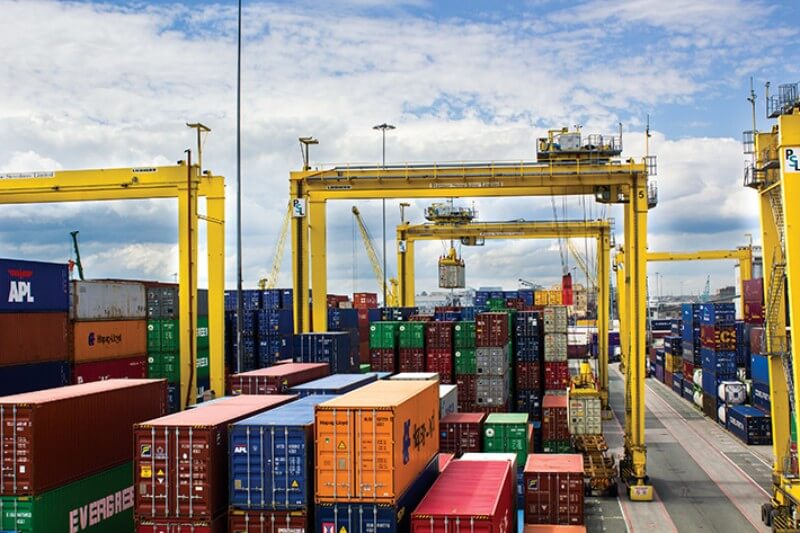
Due to its international nature and the complexities of ocean transport, maritime trade is governed by specific legal frameworks and contracts. Lack of awareness or failure to comply with these rules can result in significant financial and legal consequences. Below are the most important legal and contractual aspects every professional in maritime trade should understand:
1. The Importance of Shipping Contracts
A maritime shipping contract outlines the rights and responsibilities of all involved parties—namely the shipper, consignee, and carrier. The Bill of Lading (B/L) often serves as the shipping contract and must be carefully drafted. This document:
- Establishes ownership of the goods
- Specifies the terms and conditions of delivery
- Serves as a legal reference in the event of disputes
Always ensure the Bill of Lading is complete, legible, free of errors, and accurately reflects the cargo details and route.
2. Understanding Incoterms
Incoterms (International Commercial Terms) are globally recognized rules that define the obligations and responsibilities of sellers and buyers in international trade. Some key Incoterms include:
- FOB (Free On Board): The seller is responsible for the goods until they are loaded onto the ship. From that point onward, the buyer bears the risk.
- CIF (Cost, Insurance, and Freight): The seller covers the costs of transportation and insurance up to the destination port.
- EXW (Ex Works): The buyer assumes almost all responsibility; the seller delivers the goods at their premises or warehouse.
Choosing the right Incoterm based on the parties’ capabilities and risk tolerance is crucial to avoid misunderstandings.
3. Compliance with Customs Laws and Import/Export Regulations
Each country has its own import/export rules. Lack of familiarity with these regulations can lead to:
- Delays in customs clearance
- Fines or penalties
- Seizure of goods
To avoid such issues, it’s wise to consult a customs expert or a legal advisor before finalizing any international transaction.
4. Force Majeure Conditions
In international contracts, the Force Majeure clause is crucial. It covers unforeseen events such as war, strikes, natural disasters, or sanctions that exempt parties from fulfilling their contractual obligations. This clause helps minimize damages to both parties when unpredictable events occur.
5. Dispute Resolution
Maritime trade can lead to legal disputes between parties. Contracts usually specify:
- The method of dispute resolution (arbitration or court)
- The location or jurisdiction for arbitration/court
- The governing law of the contract
Choosing these properly can significantly reduce the time and cost involved in resolving disputes.
6. Importance of Complying with International Standards
Besides national laws, international standards such as SOLAS (Safety of Life at Sea) and MARPOL (Prevention of Marine Pollution) must be adhered to. Failure to comply can lead to fines or detention of ships and cargo.
Being knowledgeable about legal and regulatory aspects is the foundation of a secure and successful maritime business. Having well-drafted contracts, thorough understanding of shipping terms, and familiarity with Incoterms will help you reduce legal risks and operate professionally in global markets.
Impact of Weather and Political Conditions on Maritime Trade

Maritime trade is highly dependent on geographical, weather, and political factors, and any changes or crises in these areas can have serious effects on trade flows.
Weather Conditions
- Storms and Hurricanes: Mariners constantly face the risk of sudden storms that can divert ships from their routes or even cause damage.
- Ice in Northern Ports: In some cold regions, ice formation can block loading and unloading operations, requiring seasonal scheduling.
- High Waves and Rough Seas: These can cause damage to cargo and vessels and also extend shipping times.
Political and Geopolitical Conditions
- Political Tensions and Wars: Conflict-prone areas like the Persian Gulf or the Strait of Hormuz can make shipping routes unsafe and increase insurance and freight costs.
- Economic Sanctions: Sanctioning countries may prohibit shipment of goods to certain destinations.
- Port Strikes: Labor strikes or political issues in transit countries can delay customs clearance and shipments.
Practical Advice: Always monitor current global conditions when planning maritime trade and include clauses in contracts that cover unforeseen circumstances.
Modern Technologies in Maritime Trade
Technology plays an increasingly important role in improving efficiency, security, and transparency in maritime trade. Some of the key technologies include:
1. Smart Tracking (IoT and GPS)
Nowadays, most ships and containers are equipped with GPS tracking devices and smart sensors that provide real-time updates on the location and condition of the cargo. This technology enhances security and reduces the risk of lost or delayed shipments.
2. Blockchain in the Supply Chain
Blockchain technology enables full transparency in the supply chain, allowing all parties to securely and immutably view documents and transactions. This helps reduce fraud and documentation errors.
3. Autonomous and Smart Ships
Autonomous ships have the potential to lower labor costs and reduce human error. Although still in experimental stages, this technology holds promising prospects for the near future.
4. Logistics Management and Planning Software
Advanced ERP systems and logistics software allow traders to manage the entire supply chain in an integrated way and make more optimal decisions.
Frequently Asked Questions About the Dos and Don’ts of Maritime Trade
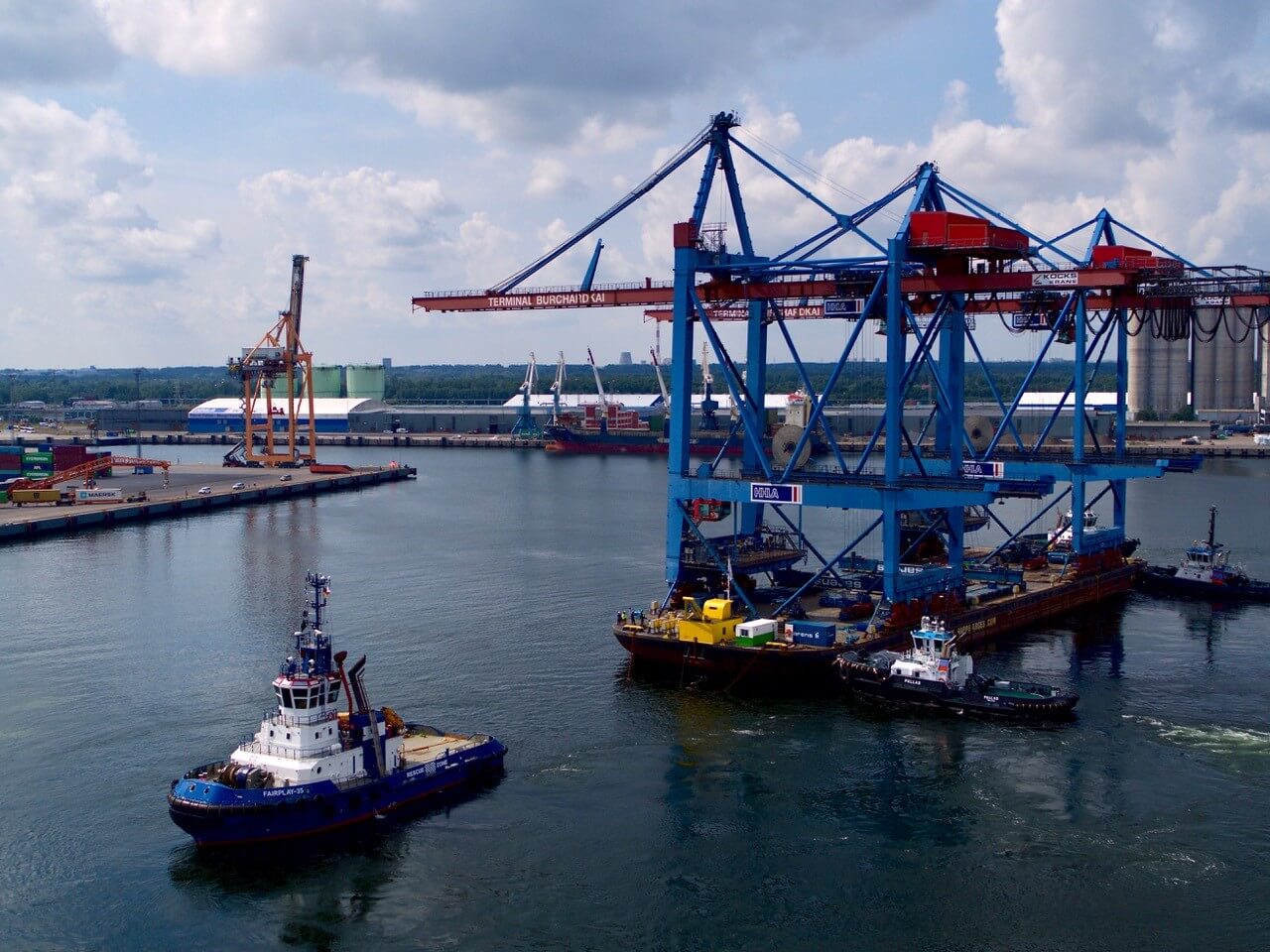
- What is maritime trade and why is it important?
Maritime trade refers to the transportation of goods by sea. It plays a major role in global commerce due to its lower costs and high capacity. This method is especially suitable for heavy and bulky goods.
- What is the most important “must” in maritime trade?
Choosing the right route and having valid insurance are among the top priorities. Additionally, careful documentation and familiarity with international maritime shipping regulations are crucial.
- What goods cannot be shipped by sea without proper permits?
Prohibited or restricted goods, such as narcotics, certain hazardous chemicals, unauthorized items in the destination country, and products requiring health permits must be shipped only with the necessary licenses.
- What are Incoterms and why do they matter?
Incoterms are a set of rules defining the responsibilities and costs between sellers and buyers during the transportation of goods. Selecting the correct Incoterm helps ensure clarity and prevents disputes.
- How can damage to cargo during sea transport be prevented?
Using standard, sturdy packaging, choosing the right ship and route, and securing reliable insurance are the key measures to protect cargo in transit.
- What risks are involved in maritime trade?
Risks include unexpected delays, cargo damage, sudden currency fluctuations, bad weather conditions, and political or security issues along the route.
- Can sea shipments be tracked online?
Yes. Reputable shipping companies often provide online tracking systems using GPS and IoT technology to give real-time updates on the location and status of shipments.
- What should maritime shipping contracts include?
Contracts must detail the cargo specifications, route, delivery timeline, responsibilities, force majeure clauses, and dispute resolution methods. Using standard documents like bills of lading is also essential.
What should be done when facing critical situations like storms or sanctions?
Including force majeure clauses in contracts, maintaining flexibility in planning and route selection, and continuously monitoring regional news help minimize losses.
- What role do modern technologies play in maritime trade?
Technologies such as smart tracking, blockchain, autonomous ships, and logistics management software enhance transparency, reduce errors, and improve security in maritime commerce.
Final Summary: How to Succeed in Maritime Trade
- Know the rules and regulations thoroughly and stay up to date.
- Ensure complete and accurate documentation.
- Choose reputable and experienced shipping companies.
- Manage risks through insurance and careful planning.
- Use modern technologies for tracking and management.
- Consider weather and political conditions, and stay flexible.


